Scott 3200A Tailwheel – Fully Rebuilt: Professional Replacement for Compatible Aircraft
Scott 3200A Tailwheel – Fully Rebuilt: Professional Replacement for Compatible Aircraft
Blog Article
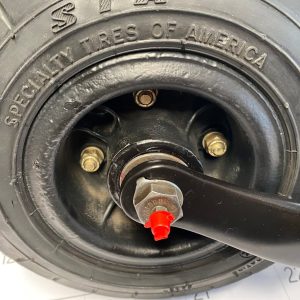
The Scott 3200A Tailwheel – Fully Rebuilt gives operators an alternative to an unknown used assembly when the rebuild process, component condition, and package contents are documented clearly. The meaning of fully rebuilt should be supported by information describing disassembly, cleaning, inspection, measurement, lubrication, component replacement, reassembly, adjustment, and functional testing.
The Scott 3200A Tailwheel Assembly should be matched with the aircraft tail spring, mounting arrangement, steering linkage, operational weight, and approved configuration. Professional rebuilding can renew worn mechanical relationships when suitable components and procedures are used.
A worn or incorrectly configured Aircraft Tailwheel Assembly can contribute to shimmy, poor tracking, binding, excessive swivel, uneven tire wear, or difficult maneuvering. A General Aviation Tailwheel may be used on training aircraft, classic taildraggers, Aircraft Steering Tailwheel bush airplanes, utility platforms, experimental aircraft, and restored vintage designs.
Whether the goal is a Replacement Aircraft Tailwheel or a broader purchase of General Aviation Landing Gear Parts, qualified review provides the strongest foundation.
Why Aircraft Owners Choose the Scott 3200A
A fully rebuilt Scott 3200A may offer practical value when its identity, condition, rebuild scope, and aircraft compatibility are confirmed. The tailwheel operates together with the aircraft tail spring, steering chains or links, steering springs, rudder system, attachment bolts, and surrounding structure.
Maintaining a Scott 3200A Tailwheel Assembly
Its mechanical configuration can support directional control during normal taxiing while allowing wider turning movement when required. A rebuilt unit may include inspected housings, renewed bearings, replacement bushings, serviced steering components, fresh lubrication, suitable hardware, and adjusted internal parts.
Scott Tailwheel Assembly Service Quality
Correct lubrication and careful reassembly help restore smooth movement and reduce unnecessary wear. Cosmetic refinishing should remain secondary to mechanical condition and structural integrity.
How an Aircraft Tailwheel Assembly Works
The assembly should move freely enough for intended operation while avoiding uncontrolled swivel or excessive looseness. Incorrect linkage tension can cause delayed steering, harsh engagement, restricted movement, or unnecessary component loading.
General Aviation Tailwheel Maintenance
Pavement may increase tire wear and make shimmy more noticeable when alignment or adjustment is poor. Experimental aircraft installations should be evaluated according to the builder’s configuration and applicable operational requirements.
Maintaining an Aircraft Tailwheel
An Aircraft Tailwheel supports the rear fuselage and helps the airplane move during taxiing, parking, turning, takeoff, and landing. Abnormal wear may indicate misalignment, bearing problems, repeated shimmy, poor adjustment, or use on abrasive surfaces.
Benefits of a Taildragger Tailwheel
A responsive and correctly adjusted tailwheel can contribute to predictable taxiing and controlled turning. Maintenance should address both ordinary wear and damage following unusual ground events.
Aviation Tailwheel System Components
An Aviation Tailwheel System includes the tailwheel assembly, tail spring, steering chains or links, steering springs, mounting hardware, surrounding structure, and its relationship with the rudder controls. Excessive slack can delay steering response, while excessive tension may restrict movement or overload components.
Tailwheel Steering Assembly Performance
A professional rebuild should address the complete Tailwheel Steering Assembly rather than only visible exterior parts. Steering arms should be inspected for bending, cracking, corrosion, elongated holes, and wear at attachment points.
Maintaining Aircraft Ground Handling Components
A correctly adjusted tailwheel may support smoother maneuvering without excessive brake use. Ground personnel should avoid forcing the aircraft beyond suitable steering limits.
Scott 3200 Tailwheel Applications
A professionally rebuilt Scott 3200A can continue this design heritage while offering renewed mechanical condition. A visually similar tailwheel may contain important differences affecting installation or operation.
Rugged Tailwheel Performance
A Heavy-Duty Aircraft Tailwheel may be considered for utility, bush, training, agricultural, work-oriented, or backcountry aircraft exposed to demanding ground use. Preventive maintenance supports reliable Heavy-Duty Aircraft Tailwheel operation.
Inspecting Tailwheel Aircraft Parts
Every component should match the intended Scott assembly and aircraft installation. A weak spring, worn bushing, rough bearing, damaged pawl, or incorrect fastener may create movement throughout the mechanism.
Aircraft Tailwheel Directional Control
The assembly should respond without excessive delay, harsh engagement, binding, or uncontrolled movement. Pilots should use techniques appropriate to the aircraft and avoid unnecessary mechanical stress.
Benefits of a Replacement Aircraft Tailwheel
Correct identification reduces compatibility problems, return costs, and installation delays. Qualified personnel should verify condition, completeness, and installation suitability.
Inspecting General Aviation Landing Gear Parts
A complete landing gear assessment may reveal concerns beyond the tailwheel itself. Known limitations and damage should remain clearly disclosed.
Rebuilt Tailwheel Buying Checklist
The buyer should request enough information for a qualified maintenance professional to review the assembly before purchase.
- Determine whether the sale includes the tire, wheel, axle, bearings, steering springs, chains, mounting bolts, fittings, and rebuild records.
- Do not treat clean paint, fresh grease, or bright hardware as proof of a complete mechanical rebuild.
- Require packaging that protects the wheel, fork, steering arms, mounting surfaces, fittings, and loose hardware from impact and movement.
Installing the Scott 3200A Tailwheel
The aircraft should be supported safely while the existing assembly, tail spring, steering links, mounting bolts, and surrounding structure are inspected. Swivel engagement, release, centering, and directional action should operate consistently.
Testing should begin at low speed in a suitable area under safe conditions.
Scott Tailwheel Maintenance Guide
Aircraft operating from dirt, grass, gravel, mud, or backcountry strips may require more frequent attention. Pilots should inspect the tailwheel before operation for tire damage, loose hardware, bent parts, steering-link condition, contamination, corrosion, and visible misalignment.
Hardware and moving areas should remain visible enough for inspection.
Final Thoughts on the Rebuilt Scott 3200A
For the correct installation, the rebuilt assembly can support directional steering, controlled swiveling, predictable taxiing, and long-term serviceability. Buyers should request detailed photographs, rebuild records, accurate condition disclosures, secure transaction terms, qualified review, and protective shipping.
Whether the aircraft operates from pavement, grass, gravel, dirt, private strips, utility fields, or backcountry airfields, the tailwheel should match the actual aircraft and operating environment. With verified compatibility, correct installation, professional steering adjustment, suitable lubrication, and routine inspection, the assembly can provide dependable long-term value.
Report this page